
Many people look for natural ways to improve their health and energy levels. Metabolism boosting foods can help your body burn calories more efficiently and support long-term weight management.
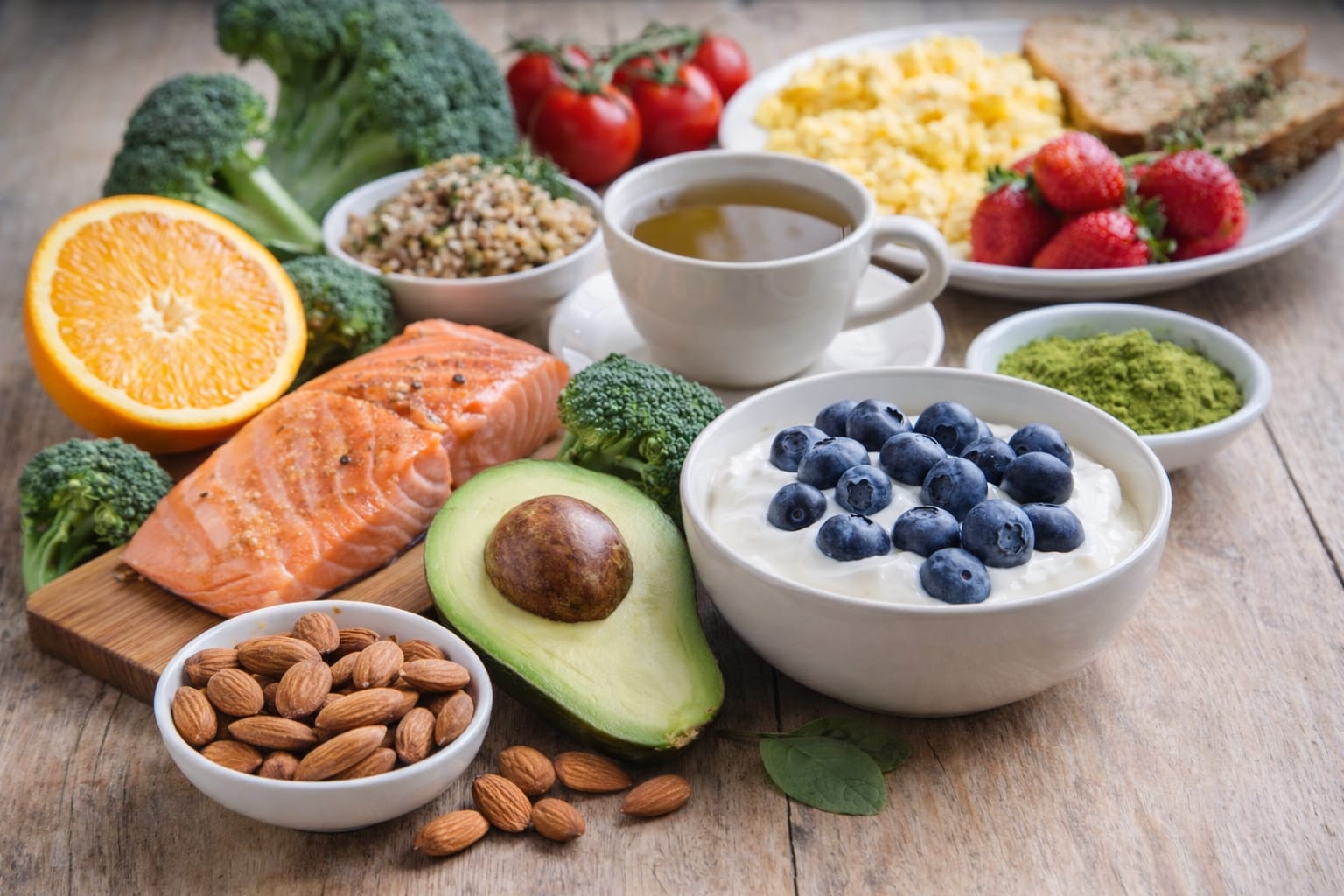
Adding metabolism boosting foods to your daily diet may help improve energy levels and support healthy fat burning.
Your metabolism is responsible for converting food into energy. When it works efficiently, your body burns calories more effectively throughout the day. This is one of the reasons why certain foods are often recommended by nutrition experts for people who want to support healthy weight management.
Some foods contain nutrients that help support metabolism, improve digestion, or increase the body’s natural calorie-burning processes. While no single food will magically cause weight loss, adding the right foods to a balanced diet can help support long-term results.
In this guide, we’ll explore 10 foods that boost metabolism naturally, explain why they may help support fat burning, and show how you can easily include them in your daily routine. If you’re also interested in other foods that help burn fat, check out our guide on 7 foods that burn belly fat naturally.
What Does It Mean to Boost Metabolism?
Before looking at specific foods, it’s important to understand what metabolism actually means.
Metabolism refers to the process your body uses to convert food into energy. This energy is required for essential functions like breathing, digestion, and circulation.
Several factors influence metabolism, including:
- age
- muscle mass
- physical activity
- genetics
- diet
Some foods may support metabolism because they require more energy to digest or contain nutrients that influence energy production in the body.
Adding metabolism-supporting foods to your diet can help create healthier habits that support long-term weight management.
10 Foods That Boost Metabolism Naturally
Below are some foods commonly associated with supporting metabolism and overall health.
Best Metabolism Boosting Foods for Fat Burning
1. Chili Peppers
Chili peppers contain a natural compound called capsaicin, which has been studied for its potential effects on metabolism.
Capsaicin may temporarily increase calorie burning and can slightly raise body temperature through a process called thermogenesis. This means your body may burn a small amount of additional energy while digesting spicy foods.
While the effect is usually modest, adding chili peppers to meals can also enhance flavor and reduce the need for excessive salt or unhealthy sauces.
2. Eggs
Eggs are a high-protein food that can help support metabolism through the thermic effect of food.
The thermic effect refers to the amount of energy your body uses to digest and process nutrients. Protein generally requires more energy to digest compared to fats or carbohydrates.
Including protein-rich foods like eggs in your breakfast may help keep you full longer and support stable energy levels throughout the day.
3. Green Tea
Green tea is one of the most widely discussed beverages when it comes to metabolism and fat burning.
It contains natural antioxidants known as catechins, which may help support metabolic processes when combined with regular physical activity.
Green tea also contains a small amount of caffeine, which can contribute to increased alertness and energy levels.
Many nutrition experts recommend choosing metabolism boosting foods as part of a balanced diet and active lifestyle.
4. Coffee
Coffee is one of the most popular beverages worldwide and is often associated with increased energy and focus.
Caffeine, the primary active compound in coffee, may temporarily increase metabolism by stimulating the central nervous system. This can lead to a slight increase in calorie burning for a short period.
However, it’s important to consume coffee in moderation and avoid excessive sugar or high-calorie additives.
5. Greek Yogurt
Greek yogurt is rich in protein and probiotics, both of which may support digestive health.
Protein helps increase satiety and requires more energy to digest, which can support metabolism over time.
Probiotics may also contribute to gut health, which plays an important role in overall metabolic function.
Choosing plain Greek yogurt without added sugars is generally the healthiest option.
Some people also support their metabolism with natural supplements designed to work alongside a healthy diet.
6. Lean Meat
Lean meats such as chicken, turkey, and lean beef are excellent sources of protein.
Protein supports muscle maintenance, and muscle tissue requires more energy to maintain compared to fat tissue.
This means individuals with higher muscle mass may naturally burn more calories even while resting.
Including lean protein sources in meals can help support metabolism and balanced nutrition.
7. Ginger
Ginger has long been used in traditional medicine and cooking for its digestive benefits.
Some research suggests ginger may support thermogenesis and digestion, which can contribute to overall metabolic health.
Adding fresh ginger to teas, smoothies, or meals can provide both flavor and potential health benefits.
8. Berries
Berries such as blueberries, strawberries, and raspberries are packed with antioxidants and fiber.
Fiber helps support digestion and may help regulate appetite by promoting feelings of fullness.
Because berries are naturally low in calories and high in nutrients, they are often included in balanced weight-loss diets.
9. Whole Grains
Whole grains like oats, quinoa, and brown rice provide complex carbohydrates and fiber.
These foods are digested more slowly compared to refined carbohydrates, which helps maintain stable energy levels.
The body also uses more energy to digest whole grains, contributing slightly to calorie expenditure.
10. Nuts
Nuts such as almonds, walnuts, and pistachios contain healthy fats, protein, and fiber.
While they are calorie-dense, they can help support satiety and reduce overeating when consumed in moderate portions.
Healthy fats are also important for hormone balance, which plays a role in metabolism.
How to Include Metabolism-Boosting Foods in Your Diet
Adding metabolism-supporting foods to your daily routine doesn’t require a complicated diet.
Simple changes can make a difference, such as:
- starting your day with a protein-rich breakfast
- including vegetables and whole grains in meals
- drinking green tea instead of sugary drinks
- choosing healthy snacks like nuts or yogurt
These habits can support a healthier lifestyle and contribute to sustainable weight management.
Another helpful strategy is planning meals ahead of time. Preparing healthy meals in advance can make it easier to include metabolism-supporting foods like lean proteins, vegetables, and whole grains throughout the week.
In addition, staying hydrated is essential for maintaining healthy metabolic function. Drinking enough water throughout the day helps support digestion, nutrient absorption, and overall energy levels.

Can Supplements Help Support Metabolism?
Some people also explore supplements that claim to support metabolism or fat burning.
These products often contain ingredients such as green tea extract, caffeine, or plant-based compounds that may help support energy levels and metabolism.
However, it’s important to choose supplements carefully and look for products made with transparent ingredient lists and quality manufacturing standards. Not all supplements are created equal, and some may contain unnecessary additives.
Before starting any supplement routine, consulting a healthcare professional can be helpful, especially for individuals with medical conditions or those taking medications.
However, supplements should always be viewed as an addition to a healthy lifestyle rather than a replacement for balanced nutrition and regular physical activity.
Final Thoughts
Boosting metabolism naturally is often the result of consistent daily habits rather than relying on a single food or strategy.
Developing sustainable eating habits is one of the most effective ways to support metabolism over time. Instead of relying on short-term diets, focusing on balanced nutrition and whole foods can provide lasting benefits.
Including metabolism-supporting foods such as lean proteins, fiber-rich vegetables, healthy fats, and whole grains can help maintain steady energy levels throughout the day. These foods also support digestion and help regulate appetite.
It’s also important to combine healthy nutrition with other lifestyle habits such as regular physical activity, proper hydration, and quality sleep. Together, these factors create a strong foundation for long-term metabolic health.
When practiced consistently, small daily improvements can lead to meaningful results over time. Even simple adjustments to your diet and lifestyle can help support your body’s natural ability to burn energy more efficiently.
If you’re looking for more practical strategies to lose weight naturally, you may also want to read our guide on How to Start Losing Weight as a Beginner.
Eating nutrient-dense foods, staying active, getting enough sleep, and maintaining a balanced diet can all contribute to better metabolic health.
The foods discussed in this guide can be easily incorporated into everyday meals and may help support your body’s natural ability to burn energy more efficiently.
Over time, small lifestyle improvements can lead to meaningful long-term results.
You can start by gradually adding metabolism boosting foods to your daily meals to support better energy levels and healthy fat burning.
Deixe um comentário